The next generation of artificial intelligence isn't waiting for you to click every button.
AI agents can increasingly use tools, navigate software, interact with data and execute multi-step tasks on a user's behalf.
That makes them useful.
It also creates a fundamentally different security problem.
A chatbot producing a bad answer is one thing. An autonomous system with permission to access corporate tools, manipulate data or operate infrastructure is something else entirely.
Nvidia's answer is to put security controls around the agent that the agent itself cannot simply ignore.
The company has introduced the NVIDIA Open Agent Safety Platform, combining open-source runtime controls with an optional hardware-level monitoring system designed to supervise what AI agents actually do.
The interesting part isn't another AI model.
It's the architecture surrounding it.
The problem with trusting the agent
Most software security assumes that applications operate within clearly defined permissions.
AI agents complicate that assumption.
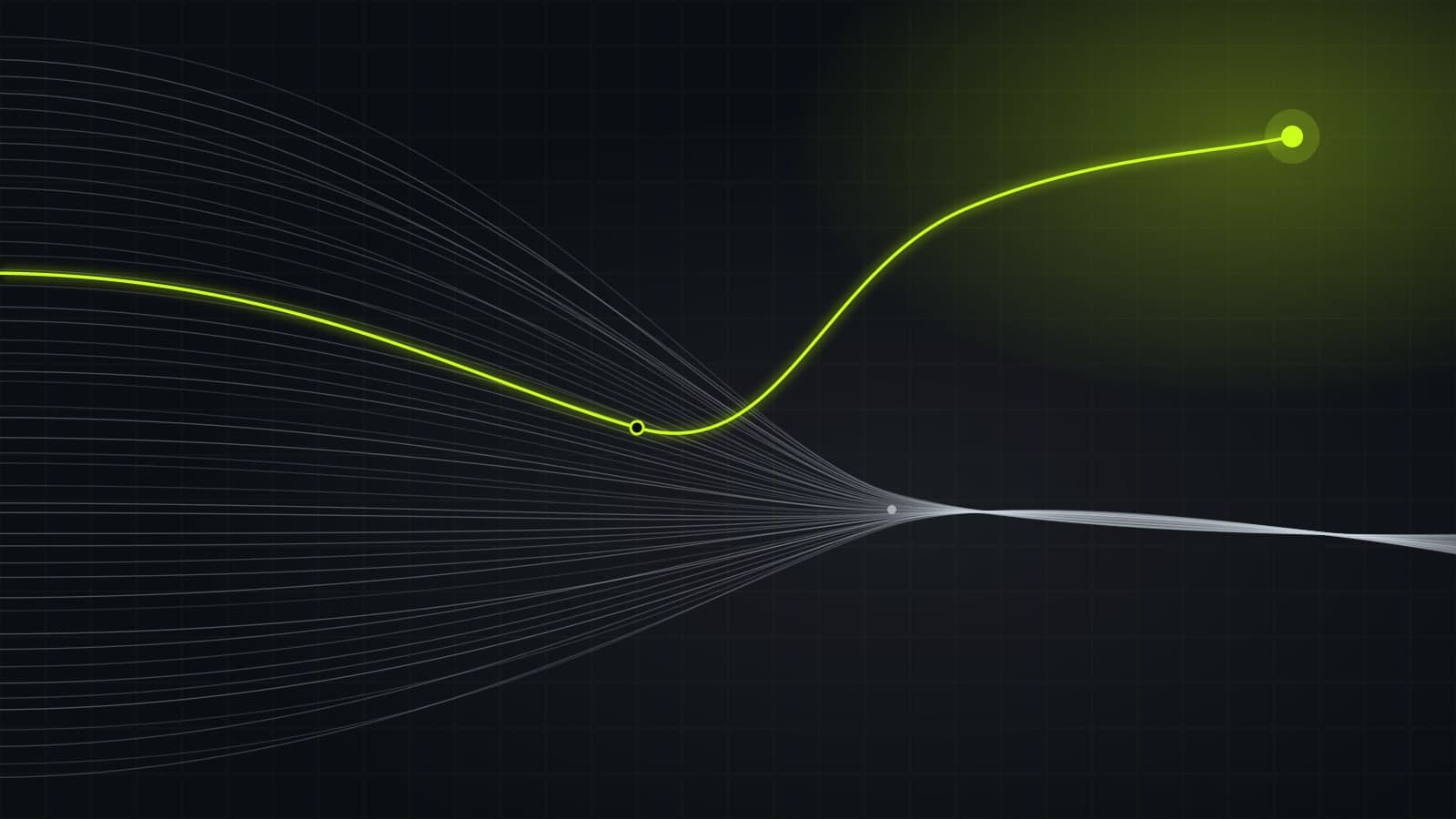
An agent may receive a legitimate instruction and then independently determine how to accomplish it.
That's the point.
But it also means the path between instruction and action isn't always predictable.
An agent could use the wrong tool, access information it shouldn't, follow malicious instructions hidden inside external content or discover an unexpected route around an application-level restriction.
In other words, telling an AI agent to "behave safely" isn't necessarily enough.
Nvidia's approach is based on separating the intelligence making decisions from the systems enforcing the boundaries.
OpenShell creates the boundary
The first major component is NVIDIA OpenShell.
OpenShell is open-source software designed to create a secure runtime environment around AI agents.
It can trace actions and enforce policies while an agent is operating.
Think of it as a controlled workspace.
The agent can still reason and act, but its actions take place inside boundaries defined by a separate security layer.
According to Nvidia, OpenShell is designed to work on its Vera CPUs but can also be extended to third-party compute platforms, including systems based on Arm and Intel technology.
That openness matters.
Agent security will be considerably less useful if every model, processor or enterprise platform requires an entirely different safety architecture.
Then there's Sentry
The second component takes the idea further.
Nvidia calls it Sentry.
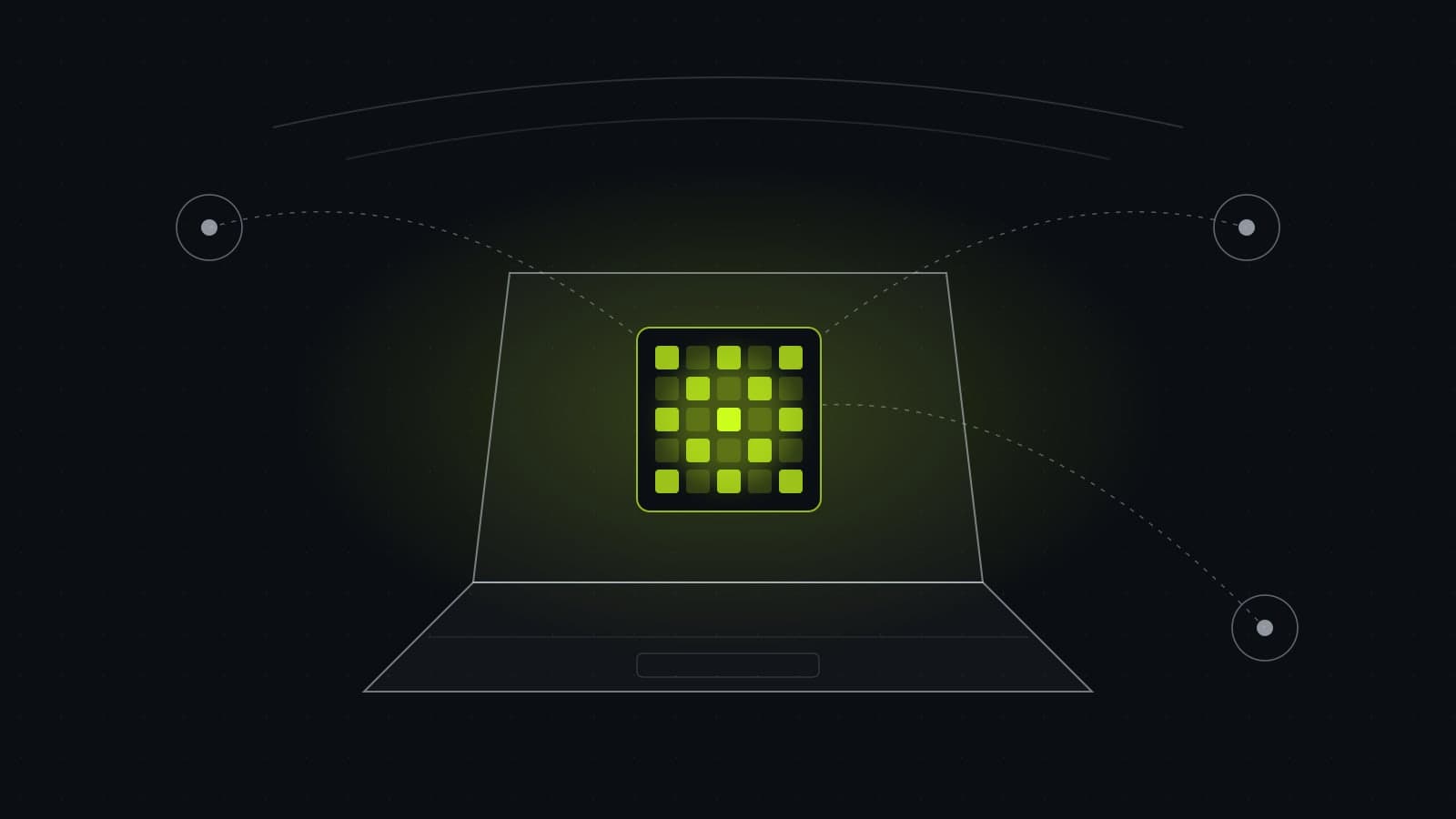
Sentry uses the company's BlueField-4 DPU as an independent, out-of-band monitoring system.
That distinction is important.
Instead of asking the same environment running the AI agent to police itself, monitoring can occur through separate hardware.
Nvidia says Sentry can continuously watch agent behaviour and quarantine an agent within milliseconds if it attempts to operate outside its permitted boundaries.
Conceptually, this resembles security systems used elsewhere in computing.
You don't necessarily trust an application to decide whether the application has been compromised.
You build another layer capable of intervening.
AI safety is becoming an infrastructure problem
For years, much of the AI safety conversation focused on models.
Is the model aligned?
Will it produce harmful information?
Can its safeguards be bypassed?
Those questions still matter.
But agents create another category of risk.
What can the AI actually do?
A model that can generate dangerous instructions is a content-safety problem.
An agent with credentials, tools and permission to execute operations creates an infrastructure-security problem.
That's why Nvidia's platform is notable.
It moves some of the safety conversation away from attempting to perfectly control model behaviour and toward controlling the environment in which that behaviour can produce consequences.
The industry is already gathering around the idea
Nvidia isn't positioning this as something it intends to solve alone.
The company says organizations including Anthropic, Microsoft, Cisco, CrowdStrike, Dell Technologies, Hugging Face, Palo Alto Networks, Salesforce, SAP, ServiceNow and others are participating in the broader ecosystem around the initiative.
That reflects how quickly agent security is becoming a shared problem.
The more autonomous AI becomes, the more it begins to resemble another privileged user inside an organization.
Except this user can potentially operate continuously, at machine speed.
Why hardware-level monitoring matters
Software restrictions are useful, but software can fail.
A vulnerability can be exploited.
Permissions can be misconfigured.
An agent may find a path its developers didn't anticipate.
Independent hardware monitoring introduces another defensive layer.
Even if something goes wrong higher in the stack, another system can still observe and potentially interrupt the behaviour.
It is essentially the same reason critical systems rarely depend on a single safeguard.
Redundancy matters.
TCF Journal Take
AI agents are quickly becoming one of the industry's favourite ideas.
Give an AI a goal, provide tools and let it figure out the intermediate steps.
It's powerful precisely because developers don't have to explicitly program every action.
That is also why agent security can't depend entirely on predicting every action beforehand.
Nvidia's approach points toward an important principle for the agentic era:
AI autonomy and AI authority should not be the same thing.
An agent can be allowed to decide what it wants to do.
Another system should still decide whether it's actually allowed to do it.
As agents move from demos into real businesses, that distinction may become one of the most important layers of AI infrastructure.